
Blepharoplasty procedure is a surgery designed to improve the appearance and function of the eyelids. It can address issues such as excess skin, puffiness, and sagging, particularly on the upper lids, but sometimes on the lower lids as well. Understanding how to get insurance to pay for eyelid surgery is important for patients when the procedure is deemed medically necessary.
Blepharoplasty can be either cosmetic or functional. Functional eyelid surgery is often performed when excess skin on the upper eyelid impairs vision. Cosmetic blepharoplasty is often linked to sagging and drooping upper lids or underage bags.
So, is blepharoplasty ever covered by insurance?
In the case of functional improvement, insurance companies may cover the procedure if it is deemed medically necessary. However, if the surgery is purely for aesthetic reasons, it is considered cosmetic surgery and typically not covered by insurance.
Paying for Blepharoplasty
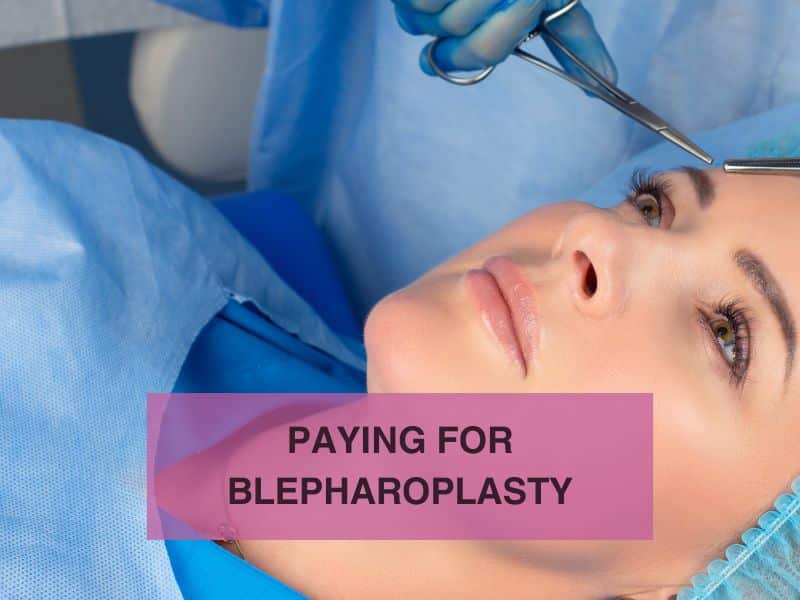
The cost of blepharoplasty can vary widely depending on factors like the extent of the procedure and the blepharoplasty surgeon’s experience.
While having upper blepharoplasty covered by insurance due to vision problems is possible, there are other payment methods available if your surgery is not covered. Understanding your payment options is essential when planning for blepharoplasty surgery cost.
Credit Card
Using a credit card is one way to cover eyelid surgery costs. This option can be helpful for spreading payments over time if you cannot pay upfront.
Some credit cards offer promotional financing, such as zero-interest periods, which can make this option more affordable. However, patients should be mindful of interest rates and ensure they can meet monthly payment requirements.
Cash or Out-of-Pocket
Paying in cash or out-of-pocket remains a common choice for cosmetic procedures. Many patients prefer this option because it avoids debt or ongoing payments. You can also ask your surgeon’s office about potential discounts for paying in full. Knowing the total surgery cost upfront allows patients to plan their budgets more effectively.
Insurance
Insurance coverage for blepharoplasty depends on whether the procedure is functional or cosmetic. To get blepharoplasty covered by insurance, you will need documentation showing that excess skin significantly impacts your vision.
A visual field test may be required to demonstrate how upper eyelid sagging affects daily activities. Patients should work closely with their surgeon to understand how to get blepharoplasty covered by insurance and to determine if upper blepharoplasty can even qualify in this regard.
Medical Financing
Medical financing companies offer payment plans specifically for healthcare procedures, including plastic surgery. These plans allow patients to pay for eyelid surgery over several months or years.
Some financing options include low or zero-interest rates, depending on the provider. If insurance does not cover your procedure, medical financing can help make blepharoplasty surgery cost more manageable.
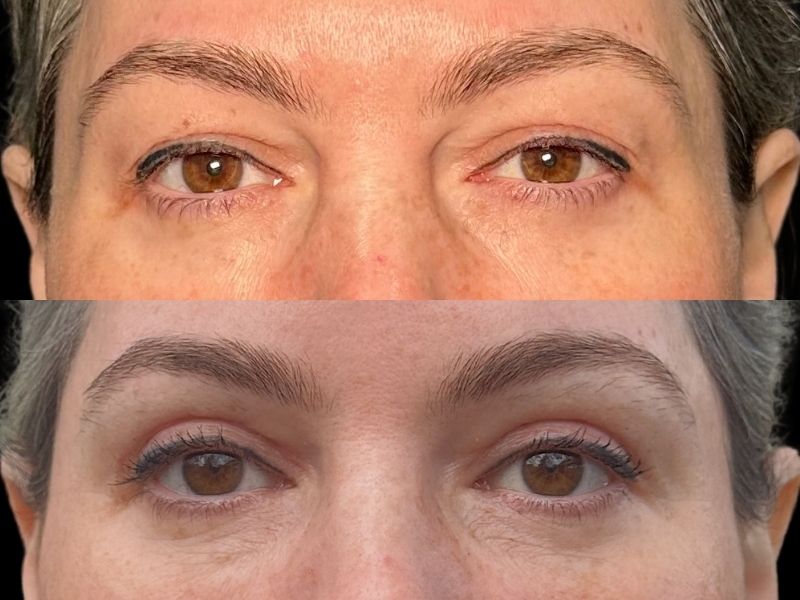
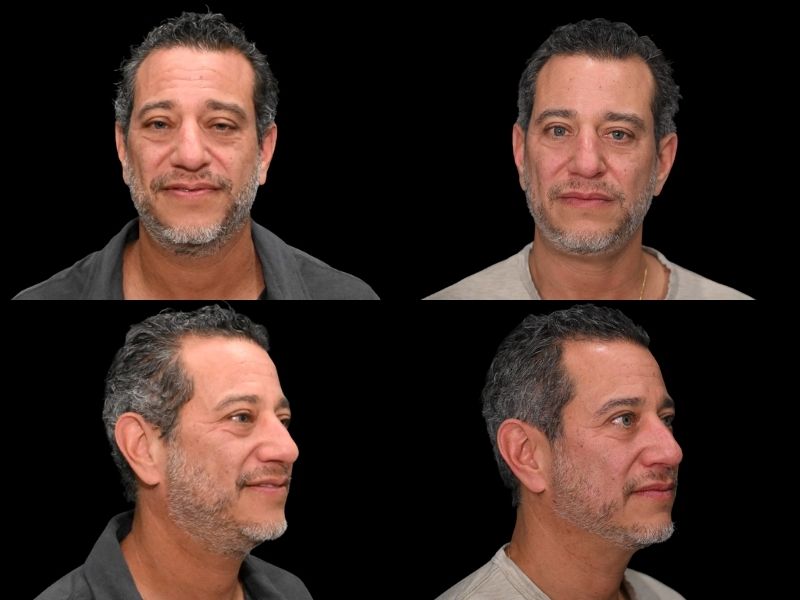
Eyelid Surgery Before and after Chicago
Medical vs Cosmetic Reasons for Eyelid Surgery Coverage
For patients with droopy eyelids, surgery may be considered when drooping eyelids interfere with vision and cause functional impairment. Conditions such as excess eyelid skin, upper eyelid ptosis, or problems affecting the lower eyelids can make the procedure medically necessary rather than a cosmetic concern or cosmetic enhancement. When functional vision issues, chronic eyelid infections, or changes in the upper and lower eyelids are present, some level of insurance coverage may be possible.
However, insurance approval depends on the insurance provider and clear documentation showing functional impairment and medical need. In limited cases, coverage for eyelid surgery may apply, especially when lower eyelid surgery is required to correct functional issues of the lower eyelids. Most plans do not automatically insurance cover blepharoplasty, so patients should check directly with their patient’s insurance provider to understand insurance coverage rules and improve insurance approval when medically necessity criteria are met.
When Insurance Covers Plastic Surgery
Insurance companies distinguish between procedures that are reconstructive surgery and those considered cosmetic procedures. Functional eyelid surgery, such as upper eyelid surgery performed to address vision issues, may be deemed medically necessary.
Cosmetic procedures aimed purely at improving appearance, such as most lower lid surgeries, are usually not covered. Most insurance companies have specific criteria to determine eligibility for coverage, so it’s crucial to review these guidelines carefully.
Is Blepharoplasty Covered by Insurance if I Have Vision Issues?

Eyelid surgery for hooded eyes may qualify for insurance coverage if sagging skin impacts your vision. To determine eligibility, your surgeon may conduct tests to document how excess skin or drooping upper eyelids interfere with sight.
Meeting insurance criteria often requires thorough documentation and testing. Patients should also verify whether their specific medical insurance plan covers eyelid surgery under these circumstances anyway (not all plans will).
Understanding Insurance and Medical Necessity for Eyelid Surgery
Eyelid surgery is not always considered cosmetic. When excess upper eyelid skin or drooping eyelids begin to interfere with vision or eyelid function, the surgical procedure performed may be classified as eyelid surgery medically necessary. In these cases, an insurance company may review medical records to determine whether medical necessity applies. Patients should know that while cosmetic eyelid surgery is typically not covered, health insurance or a health savings account may sometimes help manage related medical expenses.
Plastic surgeons often emphasize the importance of documentation, as insurance providers and insurance companies require proof that surgery medically improves function rather than just appearance. For example, medical procedures that correct sagging eyelids or droopy eyelids may qualify if vision is impaired. A board certified plastic surgeon can guide patients through the process, ensuring all medical insurance requirements are met.
When insurance cover eyelid surgery is not possible, patients can explore alternative payment options. Still, consulting experienced plastic surgeons is key to understanding coverage, costs, and whether drooping eyelids meet the criteria for functional improvement.
Planning for Your Blepharoplasty Consultation
When preparing for a consultation with a blepharoplasty surgeon, it is important to discuss both the procedure and payment options. Ask about your candidacy for surgery, which techniques would be used, and what blepharoplasty recovery would be like. All questions are welcome, and be sure to bring a brief rundown of your medical history with you as well.
Patients should also inquire about the total eyelid surgery cost and explore financing or payment plans if insurance does not apply.
FAQs: How to Get Insurance to Pay for Eyelid Surgery
What is the difference between blepharoplasty vs brow lift?
When it comes to blepharoplasty vs brow lift, the difference is largely in the area that is focused on during surgery. Blepharoplasty focuses on the eyelids, addressing issues like excess skin and sagging.
A brow lift targets the forehead and eyebrow area, lifting drooping brows and smoothing lines. While both procedures can enhance the appearance of the upper face, they address different concerns and areas.
How much does blepharoplasty surgery cost?
The cost of blepharoplasty varies depending on the complexity of the procedure and the surgeon’s experience. Functional surgeries may have partial coverage through insurance, but cosmetic blepharoplasty is typically paid out-of-pocket. Patients must consult their blepharoplasty surgeon for a detailed estimate.
Can blepharoplasty and a deep plane facelift be performed together?
Yes, blepharoplasty is often combined with an advanced deep plane facelift in Chicago for comprehensive facial rejuvenation. The deep plane facelift restores cheek and jawline definition, while blepharoplasty enhances the eye area for balanced, natural-looking results.
Does insurance cover eyelid surgery for hooded eyes?
Insurance may cover eyelid surgery for hooded eyes if it is deemed medically necessary. To have eyelid surgery covered, patients must show that upper eyelid sagging impairs vision.
Do blepharoplasty scars fade over time?
Yes. In most cases, blepharoplasty scars fade significantly as healing progresses. Incisions are usually placed in natural eyelid creases or along the lash line, which helps scars remain discreet once fully healed.
Can botched eyelid surgery be corrected?
Yes. Revision eyelid surgery can often improve function and appearance of a botched eyelid surgery, though it may be more complex than the initial procedure. A thorough evaluation is needed to determine the safest correction approach.
Request a Consultation Appointment Today
Board-certified blepharoplasty surgeon Dr. Dahlia Rice performs eyelid surgery and other facial surgeries for patients in the Chicago area. To find out more about this and other procedures offered by Dr. Rice, please get in touch with our office and schedule your personal consultation appointment today.