
Fat Transfer Breast
Augmentation Chicago –
Natural Breast Enhancement
Meet…
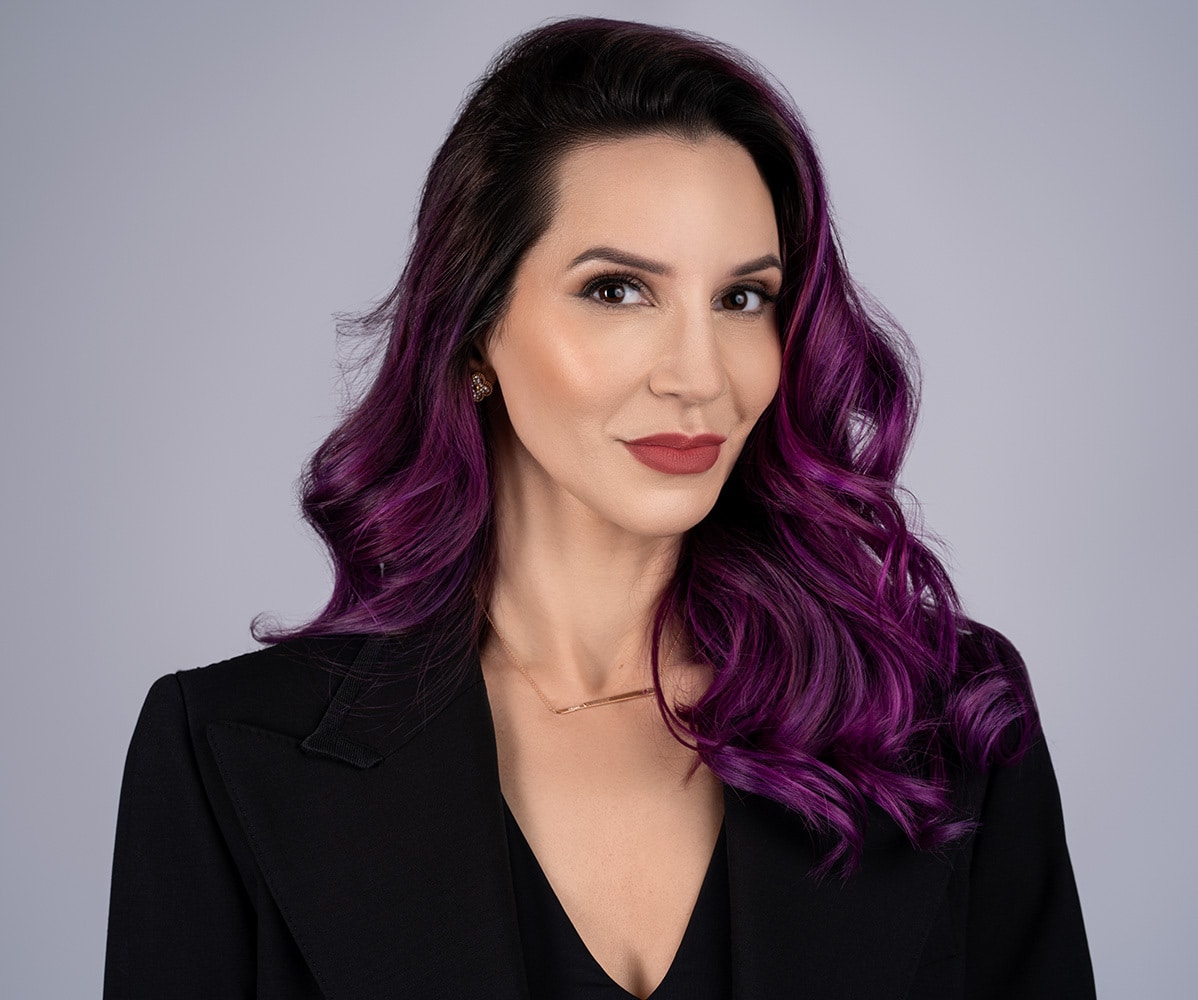
Board Certified Plastic Surgeon – Dr. Dahlia Rice
Dr. Dahlia Rice is a board-certified plastic surgeon specializing in body contouring and natural-looking results.
Her approach to fat transfer includes:
- Strategic fat harvesting to create smoother donor areas
- Careful purification to support fat survival
- Precise placement to enhance symmetry and shape
The goal: enhance your natural proportions, not create an artificial result.
About Dr. Dahlia Rice
- Board-certified by the American Board of Plastic Surgery
- Founder of DMR Aesthetics Chicago
- Medical degree from Rush Medical College, Chicago
- Integrated Plastic Surgery Residency at the University of Rochester Medical Center
- General Surgery training at Michigan State University
- Master’s degree in Biomedical Science with a focus in Neurology
- Specializes in natural, refined cosmetic and reconstructive procedures







Who Is a Good Candidate?
You may be a strong candidate for fat transfer breast augmentation if you:
- Want a subtle increase in breast size
- Have enough excess fat available for transfer
- Prefer a natural alternative to implants
- Are in good overall health
Important: If you are looking for a larger increase in size, breast implants may be a better option.
A consultation helps determine the most appropriate approach for your goals.
How the Procedure Is Performed
Fat transfer breast augmentation is a two-part procedure:
Step 1: Liposuction
Fat is gently removed from areas such as:
- Abdomen
- Flanks (love handles)
- Thighs
Step 2: Fat Injection
The harvested fat is:
- Purified
- Carefully injected into the breasts in layers
This technique helps maximize fat survival and create a smooth, natural contour.
Most procedures are performed on an outpatient basis, under anesthesia, and completed within a few hours.
Results: What Patients Notice
Patients typically see:
- A modest increase in breast size
- Improved shape and fullness
- A softer, more natural feel compared to implants
- Slimming and contouring in the donor areas
Key difference: this procedure enhances what you already have—it does not create an artificial look.
How Long Do Results Last?
Not all of the transferred fat will survive after the procedure.
- Typically, about 60–80% of the fat survives long-term
- The remaining fat is naturally absorbed by the body
Once the fat establishes a blood supply, results are considered long-lasting.
Maintaining a stable weight helps preserve your results over time.
Recovery & Downtime
Recovery involves both the breasts and the donor areas where fat was removed.
What to expect:
- Swelling and bruising for about 1–2 weeks
- Mild discomfort in the liposuction areas
- Return to work within approximately one week
Patients are typically advised to:
- Avoid pressure on the breasts during early healing
- Wear compression garments for the donor areas

Full results develop gradually over several months as swelling resolves and the fat stabilizes.
Risks & Safety
Fat transfer breast augmentation is safe when performed by an experienced surgeon, but it does carry potential risks.
- Fat resorption (partial loss of volume)
- Fat necrosis (small, firm areas)
- Infection (rare)
- Asymmetry
Choosing an experienced, board-certified plastic surgeon is key to minimizing these risks.
Dr. Rice discusses all risks and expectations in detail during your consultation so you can make a fully informed decision.
Fat Transfer vs Breast Implants
This is one of the most important decision points for patients.
Fat Transfer
- Natural look and feel
- No implants or foreign materials
- Modest increase in size
Breast Implants
- More dramatic size change
- More predictable volume
- May require maintenance or replacement over time
Many patients choose fat transfer for a subtle, natural enhancement.
Cost of Fat Transfer Breast Augmentation in Chicago
Pricing varies based on several factors, including:
- The amount of fat required
- The number of areas treated
- The complexity of the procedure
Pricing is customized for each patient.
During your consultation, Dr. Rice will evaluate your goals, determine candidacy, and provide accurate, personalized pricing.