
Figuring out the difference between Upper vs Lower Blepharoplasty usually starts with a small realization, something about your eyes just looks different. Maybe they seem heavier, or you notice a tired appearance that doesn’t go away, even when you feel rested. That’s often when people begin looking into eyelid surgery, especially when learning more from a Dahlia Rice, M.D. eyelid rejuvenation expert perspective.
At first, it might seem like one procedure covers everything. But once you take a closer look, the way the upper eyelids and lower eyelids age is actually quite different, and that’s where the distinction starts to matter.
What Is the Main Difference Between Lower vs Upper Blepharoplasty?
The main difference in upper vs lower blepharoplasty really comes down to what’s changing in each area. The upper eyelid is more about excess skin, while the lower tends to deal with fat pockets, under eye bags, and contour irregularities in the under eye area.
With upper blepharoplasty, patients are usually bothered by sagging eyelids, drooping skin, or excess eyelid skin that can even start affecting their peripheral vision.
Some people don’t notice how much it impacts them until it begins interfering with daily tasks. That’s where the functional concerns come in.
On the other hand, lower blepharoplasty surgery focuses more on volume. Things like bags beneath the eyes, dark circles, and persistent puffiness often come from excess fat shifting forward or changes in the underlying muscle. These don’t respond much to creams or treatments.
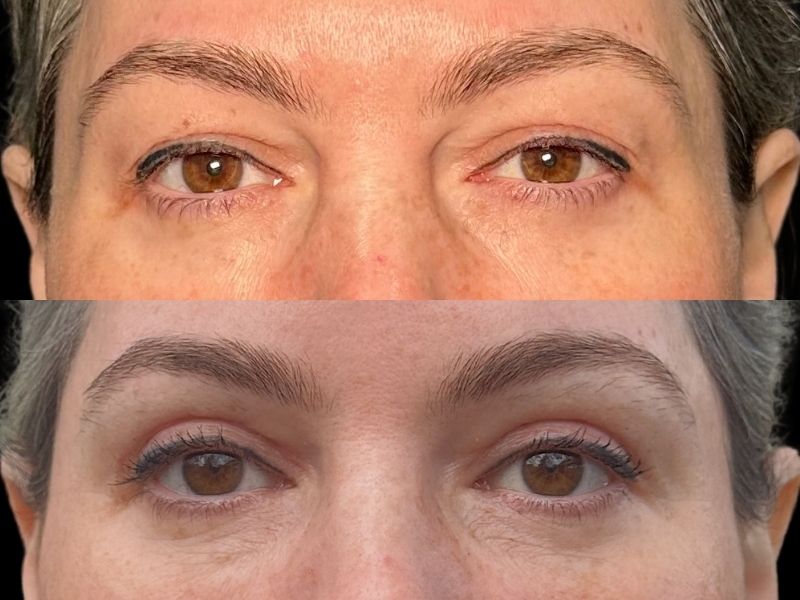
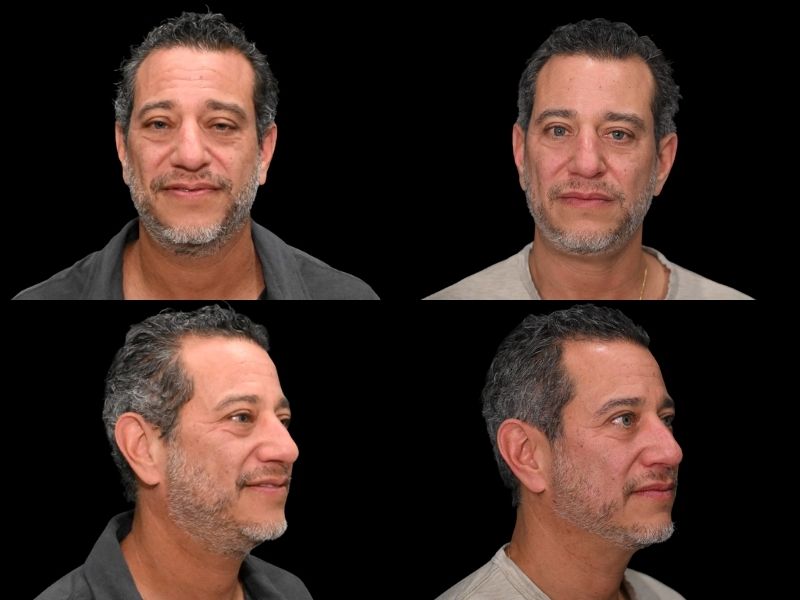
Eyelid Surgery Before and after Chicago
What Is Upper Blepharoplasty?
Upper blepharoplasty is a surgical procedure that targets extra skin and sometimes fat in the upper eyelid skin. Over time, the aging process causes the skin to stretch and lose structure, leading to loose skin that starts folding over itself.
This upper eyelid procedure is carefully done along the natural crease, which helps keep things discreet. In many cases, upper blepharoplasty focuses on removing excess skin, but small adjustments to fat pockets can be part of it depending on how the eyelid looks.
A lot of patients come in saying the same thing, they constantly look tired, or feel like their eyes don’t reflect how they actually feel. After surgery, there’s usually a noticeable shift toward a more open, well rested expression and a softer, more youthful appearance.
What Is Lower Blepharoplasty?
Lower blepharoplasty is focused on what’s happening under the eyes, which tends to be more about structure than just skin. Instead of just excess eyelid skin, the concern is often eye bags, puffiness, and shadows that contribute to dark circles.
In lower blepharoplasty surgery, it’s not always about removing tissue. In many cases, it’s about repositioning fat so the transition between the eyelid and cheek looks smoother. That detail makes a big difference in avoiding a hollow or overdone result.
Some patients also need a bit of removing excess skin, especially if there’s visible droopy skin or laxity. But not everyone does. It really depends on how the aging affects that specific area.
What Concerns Does Each Procedure Address?
This is usually the point where things become more personal. The choice between upper or lower eyelids isn’t always obvious just by looking quickly.
Signs You May Need Upper Blepharoplasty
When the issue is above the eye, it often shows up as sagging skin that starts to sit on or near the lash line. Some patients also notice excess eyelid skin making it harder to apply makeup or keep it in place.
In more advanced situations, drooping eyelids can interfere with vision. People may find themselves lifting their brows without realizing it just to see better.
That’s when the shift from cosmetic to functional benefits becomes more relevant.
Signs You May Need Lower Blepharoplasty
Lower eyelid concerns tend to show up as under eye bags, puffiness, or visible bags beneath the eyes that don’t really change over time. Even with good skincare or lifestyle changes, these features tend to stay.
There’s also the question of dark circles. In many cases, they’re not just about pigmentation—they’re related to shadowing caused by fat pockets or changes in the underlying muscle.
Can You Combine Upper and Lower Blepharoplasty?
Yes, and for a lot of patients, combining upper and lower blepharoplasty actually gives a more complete result.
When both upper and lower eyelid areas show signs of aging, treating them together can help create a more balanced look.
That said, it’s not always necessary. Some patients only need one area addressed to see a meaningful improvement. It really depends on how the concerns are distributed.
Procedure Overview: How Each Surgery Is Performed
Even though both procedures fall under facial plastic surgery, they’re not identical in how they’re done. The techniques shift based on anatomy and goals.
Upper Eyelid Surgery Technique
During upper eyelid surgery, the incision follows the natural crease, which allows access to remove extra skin and adjust excess fat if needed.
The goal here isn’t to change your eye shape. It’s more about restoring the natural contour that’s been affected over time. Because of the incision placement, the scar typically becomes difficult to see once healed.
Lower Eyelid Surgery Techniques (Transconjunctival vs External)
There are two main approaches used in lower blepharoplasty surgery. The transconjunctival method places the incision inside the eyelid, which works well when the main issue is fat pockets without much loose skin.
The external method, placed just below the lash line, allows the surgeon to address both excess fat and excess eyelid skin. Choosing between these depends on how much skin laxity is present and the overall structure of the eyelid.
Anesthesia and Surgical Time
Most procedures are done under local or general anesthesia, depending on the extent of the surgery. For isolated upper blepharoplasty, local anesthesia is often enough.
When combining procedures, general anesthesia is more common. The total time in the operating room can range from about one to three hours, depending on complexity.
Recovery and Downtime For Each Procedure
Recovery is usually one of the first concerns patients bring up. And honestly, it varies more than people expect.
Upper Blepharoplasty Recovery Timeline
After upper blepharoplasty, the healing process tends to move fairly quickly. The first few days involve swelling and bruising, with the most noticeable changes happening during the first week.
Stitches are typically removed within a week. Most patients return to normal routines within 10 to 14 days. As the swelling subsides, the eyelid contour becomes more visible. You’ll likely be using eye drops and avoiding intense activity early on.
Lower Blepharoplasty Recovery Timeline
Recovery from lower blepharoplasty can take a bit longer, especially when repositioning fat is involved. The swelling tends to last longer in the under eye area, and bruising may take closer to two weeks to fade.
Some patients notice mild tightness or sensitivity at first. Over time, as the swelling subsides, the area smooths out and the improvement becomes more noticeable.
Blepharoplasty Upper vs Lower Results: How Long Do They Last?
Results don’t look the same for everyone, and they don’t age the same way either.
With upper blepharoplasty, results often last several years, sometimes close to a decade. Still, the aging process continues, so small changes may gradually appear again.
For the lower eyelids, results from lower blepharoplasty surgery tend to be longer lasting. Once fat pockets are repositioned, they typically don’t return in the same way. That’s why many patients feel the lower area stays improved for longer.
Cost Upper vs Lower Blepharoplasty
Pricing can vary quite a bit depending on what’s involved. The cost of blepharoplasty depends on the surgeon’s experience, the surgical plan, and whether both areas are treated.
In general, upper blepharoplasty is more straightforward and tends to cost less. But that’s not always the case.
For patients who need more complex adjustments, like muscle work or combined procedures, the cost can increase. A consultation helps clarify what’s actually needed.
Which Procedure Is Right for You?
Deciding between upper or lower eyelid surgery isn’t something you guess. It comes down to what’s actually causing the concern.
Personalized Treatment Planning
A proper evaluation looks beyond just the eyelids. It includes skin quality, facial balance, and how the upper and lower eyelid areas interact.
For patients dealing with impaired vision, upper eyelid surgery may be the priority. Others are more focused on cosmetic concerns like eye bags or puffiness.
Importance of Surgeon Expertise
Choosing the right plastic surgeon matters. The eyelid area is delicate, and small adjustments can have a big impact.
A good result should feel subtle. Most patients don’t want to look different, they want to look more refreshed. When done well, patients often say they look more well rested, sometimes even years younger, without it being obvious why.
FAQ: Upper Blepharoplasty vs Lower Blepharoplasty
Is upper or lower blepharoplasty more painful?
Most patients don’t describe it as painful, more like uncomfortable or tight during the first few days. The swelling and bruising can make the area feel sensitive, but it’s usually manageable with basic medication and rest. By the end of the first week, things tend to feel much easier.
Can lower blepharoplasty fix dark circles?
It depends on the cause. If dark circles are related to shadowing from under eye bags or fat pockets, then lower blepharoplasty surgery can help. If it’s more about pigmentation, you might still see some improvement, but not a complete fix.
How do I know if I need upper or lower eyelid surgery?
It really comes down to what you’re noticing. If there’s drooping skin, extra skin, or heaviness above the eye, it’s likely the upper eyelids. If the issue is puffiness, bags beneath, or changes in the under eye area, then it’s more about the lower.
Will I look natural after blepharoplasty?
That’s always the goal. A well-done procedure should give natural looking results, not something obvious. Most patients say they just look more well rested, not like they’ve had surgery.
How long before I see final results?
You’ll see changes early, but final results take a bit of time. As swelling continues to go down over several weeks, the eyelids settle. By a few months in, most patients feel like they’re seeing the full effect.
Does insurance cover eyelid surgery?
Insurance may cover eyelid surgery (blepharoplasty) if it’s considered medically necessary, such as when excess upper eyelid skin affects your vision. In these cases, documentation like visual field testing is usually required. Cosmetic eyelid surgery, focused on improving appearance, is typically not covered. A consultation is the best way to determine your eligibility.
Considering Blepharoplasty? Start with a Consultation
Deciding on blepharoplasty isn’t always straightforward. Some patients assume they need both upper and lower eyelid surgery, while others are surprised to learn a more targeted approach can deliver the result they want.
At DMR Aesthetics in Chicago, the focus is on evaluating your eyelids carefully and recommending only what makes sense for your features. Contact us today to schedule your consultation and explore your options with confidence.