Experiencing a Gone Wrong Botched Upper Eyelid Surgery can be emotionally difficult. Instead of feeling refreshed and confident, many patients feel worried or confused when their eyelids do not look or function the way they expected.
If you are facing this situation, you are not alone. Botched eyelid procedures can be corrected, and most patients eventually regain an appearance that feels natural and comfortable. At DMR Aesthetics, Dahlia Rice, M.D. specializes in eyelid surgery, patients receive compassionate guidance and expert evaluation to understand exactly what went wrong and what can be done next. This guide explains how to identify the signs, what may have caused the issue, and which revision options can help you move forward safely and confidently.
Introduction to Eyelid Surgery
Eyelid surgery, also known as blepharoplasty, is a cosmetic procedure designed to refresh the appearance of the upper eyelids by removing excess skin, adjusting fat, and improving the eyelid crease. The goal of upper blepharoplasty is to open the eyes, soften droopy upper eyelids, and restore a more youthful appearance. Many patients over 40 choose this procedure because loose eyelid skin can make them look tired or interfere with vision.
When performed by a skilled plastic surgeon, upper eyelid surgery often delivers natural and long-lasting results. However, because the eyelid skin is extremely thin and delicate, even small mistakes can affect the shape, function, and long-term comfort of the eyes. This is why choosing a board certified plastic surgeon with extensive experience in eyelid surgeries is so important.
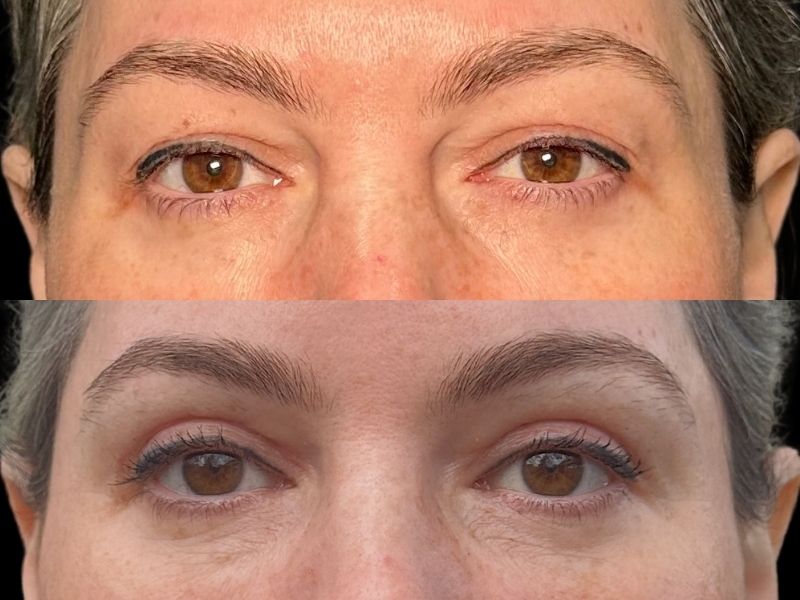
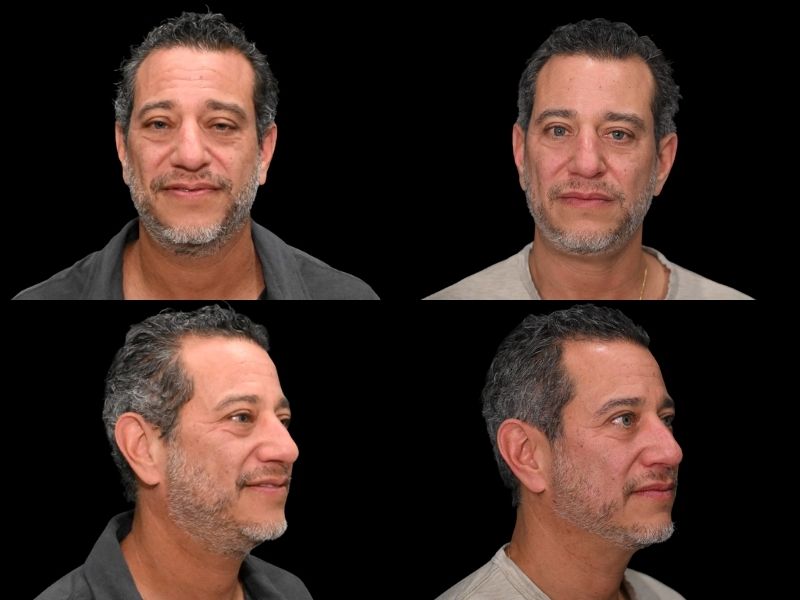
Eyelid Surgery Before and after Chicago
Causes of Botched Surgery
A botched upper eyelid surgery can happen for different reasons, and understanding the cause can help determine the best solution. One of the most common causes is poor surgical technique, especially when an inexperienced surgeon performs the procedure. Eyelids require precision. If the surgeon removes too much skin, removes too much fat, or places the incision incorrectly, the upper lid may become distorted, tight, or uneven.
Sometimes the issue appears because the initial surgeon failed to recognize the patient’s unique anatomy. Patients with very thin eyelid skin, weak levator muscles, or natural asymmetry may require a customized approach. If that doesn’t happen, the result may look unnatural or create difficulties with eyelid function.
Multiple eyelid surgeries or a previous blepharoplasty can also raise the risk of complications. After each procedure, the blood supply becomes more delicate, scar tissue increases, and the surgeon must be extremely careful when removing or reshaping tissues. If the surgeon lacks experience with revision work, problems can develop easily.
Another factor involves patients with medical conditions such as thyroid eye disease, which affects the position and movement of the eyelids. If this condition is not diagnosed before surgery, the outcome may appear uneven or lead to problems like eyelid retraction.
Identifying Signs of Botched Upper Eyelid Surgery
It is normal for patients to experience swelling, bruising, and temporary asymmetry during the first few weeks of healing. However, certain symptoms may indicate a botched upper eyelid surgery rather than normal recovery. Patients often notice droopy eyelids, a mismatched upper eyelid crease, or an eyelid that appears too high or retracted. In some cases, the upper eyelid looks hollow because too much fat was removed.
A common concern after a problematic surgery is the inability to fully close the eyes. This usually happens when the original surgeon removed too much skin. Patients may wake up with dry eyes, irritation, and a feeling of tightness. Others experience a stretched or unnatural contour that makes wearing makeup difficult and lowers their confidence.
Patients may also observe noticeable scars that sit above the natural crease or feel raised and visible. A poorly positioned incision can alter the eyelid fold, making the upper lid look unnatural or uneven.
Emotional signs also matter. Many patients say they avoid photos, feel uncomfortable in social situations, or feel like their eyes “don’t look like themselves anymore.” If these feelings persist, it may be time to consult a specialist who can evaluate whether revision eyelid surgery is needed.
Complications and Risks
Complications from a botched eyelid procedure can affect both appearance and eyelid function. Cosmetic complications may include a sunken or hollow upper eyelid, asymmetry between the eyes, or a crease that appears too high, too low, or poorly formed. Some patients develop drooping eyelids that make them look more tired than before surgery, while others notice small bumps or irregularities from displaced orbital fat.
Functional complications can be more serious. When the eyelid cannot close properly, the eye may become dry, irritated, or sensitive to light. Over time, exposure can cause damage to the surface of the eye. If the surgeon removed too much skin or created too much tension, the eyelid may retract upward, leaving the eye exposed even during sleep.
A few patients experience issues involving the lower eyelids as well, particularly if they underwent a combined lower blepharoplasty or if the tissues in the lower lid became unstable after the initial procedure. Lower eyelid retraction may create a rounded or pulled-down appearance that changes the natural shape of the eye.
Although complications can feel overwhelming, most of them can be improved through careful correction performed by an experienced surgeon.
Revision Surgery Options
When an eyelid surgery goes wrong, patients often want to understand what can be done to correct it. Revision eyelid surgery, also called revisional eyelid surgery or revision blepharoplasty, is usually the best solution for fixing problems that do not improve with time alone.
Some revision techniques involve restoring missing tissue. For example, patients whose surgeon removed too much skin often benefit from skin grafts, which help the eyelid close properly again and improve comfort. These grafts typically come from areas with naturally thin skin, such as behind the ear or the upper eyelid fold.
If the issue involves hollowness, fat grafting can be extremely helpful. Placing small amounts of fat in the upper lid softens the hollow appearance, restores volume, and recreates a more natural contour. This technique can be particularly effective for patients who have had multiple eyelid surgeries or a previous blepharoplasty that removed too much orbital fat.
Some patients need correction of eyelid retraction, which can occur when scar tissue pulls the eyelid upward or downward. In these cases, the surgeon may adjust the levator muscle, release scar tissue, or reposition the eyelid margin.
In certain situations, scar revision or laser resurfacing can improve visible scars, soften texture irregularities, or adjust the eyelid crease to a more natural height.
Because revision surgery is more complex than the original procedure, it is extremely important to choose a surgeon who specializes in eyelid repair, oculoplastic surgery, or complex reconstructive procedures.
Preparation for Revision Surgery
Preparing for revision surgery requires careful planning. Patients should share their complete surgical history, including details of their initial upper eyelid surgery, previous eyelid surgeries, and any medical conditions that may affect healing. Many surgeons ask for old eyelid surgery photos to understand the original anatomy and compare it to the current result.
Before undergoing a new surgical procedure, most surgeons recommend stopping blood-thinning medications, avoiding smoking, and arranging reliable transportation for the day of surgery. Patients with dryness or irritation may receive eye drops, ointments, or hydration instructions to improve eyelid comfort before the revision.
Because revision work can be delicate, your surgeon may explain that more than one procedure could be necessary to achieve the best results. This does not mean the situation is hopeless—it simply reflects the complexity of working with scarred eyelid tissues.
Recovery and Aftercare
Recovery from revision eyelid surgery varies depending on the type of correction performed. Most patients experience swelling and mild bruising for the first couple of weeks. Dryness is also common, especially if the original botched surgery affected eyelid closure. Using lubricating eye drops and sleeping with the head elevated can help reduce discomfort.
Follow-up appointments are extremely important during recovery. Your surgeon will check the healing of your eyelid tissues, monitor the position of your eyelids, and adjust your aftercare instructions if needed. Patients sometimes worry when swelling changes the shape of the eyelids temporarily, but this is a normal part of healing.
It’s important to avoid strenuous activity and protect the eyes from irritation. Most patients can resume gentle daily routines fairly quickly, and makeup can usually be worn again after the incisions have healed completely.
Choosing the Right Surgeon
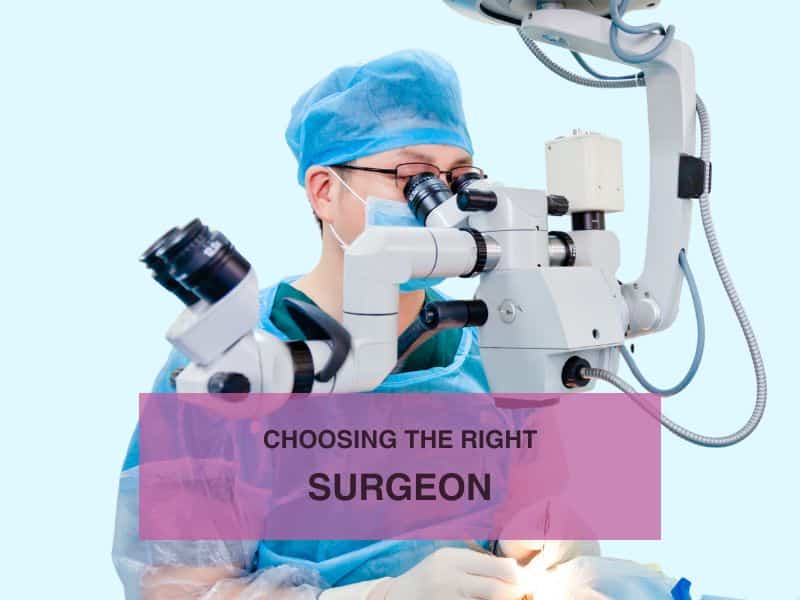
Selecting the right surgeon is one of the most important decisions after a botched upper eyelid surgery. Revision work requires experience, precision, and an understanding of how eyelid tissues behave after scarring. A board certified plastic surgeon or an oculoplastic surgeon is best equipped to handle complex cases, especially when previous surgeries have altered blood supply or anatomy.
When choosing a surgeon, patients should look for someone with a strong portfolio of revision cases and natural-looking results. Reading reviews, asking questions during the consultation, and discussing the surgeon’s approach to revision eyelid surgery can help you feel confident and supported. At DMR Aesthetics: Dahlia Rice, M.D. Plastic Surgery, patients benefit from Dr. Rice’s refined expertise, meticulous approach, and dedication to achieving safe, natural, and balanced outcomes in even the most complex eyelid revision cases.
Successful Corrections
Many patients are relieved to learn that most botched eyelid surgeries can be improved. Successful revision procedures restore both the appearance and function of the eyelids, leading to more comfortable blinking and a softer, more natural eyelid contour. Even patients who required skin grafts, fat grafting, or multiple steps often say they feel like themselves again once healing is complete.
It’s important to understand that final results take time. Eyelid tissues heal slowly, and it can take several months for swelling to settle and scars to soften. With the support of an experienced surgeon, patience, and proper care, the chances of achieving a pleasing result are very high.
FAQs: Gone Wrong Botched Upper Eyelid Surgery Solutions
How do I know if my eyelid surgery went wrong?
If you notice drooping, hollowness, difficulty closing your eyes, or an unnatural eyelid crease months after surgery, you may be experiencing a botched upper eyelid surgery. A consultation with a revision specialist can help determine whether the issue is due to normal healing or a complication from the procedure.
Does insurance cover eyelid surgery?
Insurance may cover eyelid surgery only when it is considered medically necessary—usually when drooping eyelids block your vision or affect daily activities. Cosmetic blepharoplasty is not covered. Your surgeon can help determine if you meet the medical criteria for insurance approval.
Can eyelid surgery fix hooded eyes?
Yes. Eyelid surgery for hooded eyes removes excess skin and improves the natural crease, creating a more open and refreshed look. Many patients choose blepharoplasty to correct hooding that makes them appear tired or affects their vision.
How much does eyelid surgery cost?
The cost of eyelid surgery varies depending on whether you’re treating the upper lids vs lower lids, or both. Pricing usually includes the surgeon’s fee, facility costs, and anesthesia. Your surgeon can give you a personalized estimate during your consultation.
Why do botched eyelid surgeries happen?
Botched results can occur due to poor surgical technique, removing too much skin or fat, or not recognizing unique anatomy. Previous surgeries or medical conditions such as thyroid eye disease can also contribute to problems.
Is revision eyelid surgery more complex than the first surgery?
Yes. Revision surgery involves working with thinner tissues, scar tissue, and altered anatomy. For this reason, choosing a surgeon who specializes in revision procedures is essential for achieving a safe and natural result.
What are the risks of a deep plane facelift compared to blepharoplasty?
A deep plane facelift rejuvenation involves lifting deeper facial structures, so it carries risks such as swelling, bruising, temporary numbness, and, in rare cases, nerve injury. Blepharoplasty is more limited to the eyelid area and may involve risks like dry eyes, temporary irritation, or asymmetry. In some cases, combining blepharoplasty with a deep plane facelift can address both midface sagging and under-eye concerns, but overall risk depends on individual anatomy, surgical complexity, and proper planning.
Schedule Your Consultation for Botched Upper Eyelid Surgery Correction
If you’re struggling with the results of a botched upper eyelid surgery, the first step toward feeling like yourself again is meeting with a surgeon who truly understands the delicate nature of eyelid repair.
At DMR Aesthetics: Dahlia Rice, M.D. Plastic Surgery, you’ll receive a careful evaluation, honest guidance, and a personalized plan designed to restore both function and natural appearance. Dr. Rice will review your concerns, examine your eyelids, and explain the safest and most effective options for revision so you can move forward with confidence and clarity. Schedule your consultation today to take the first step toward correcting your botched upper eyelid surgery and feeling like yourself again.