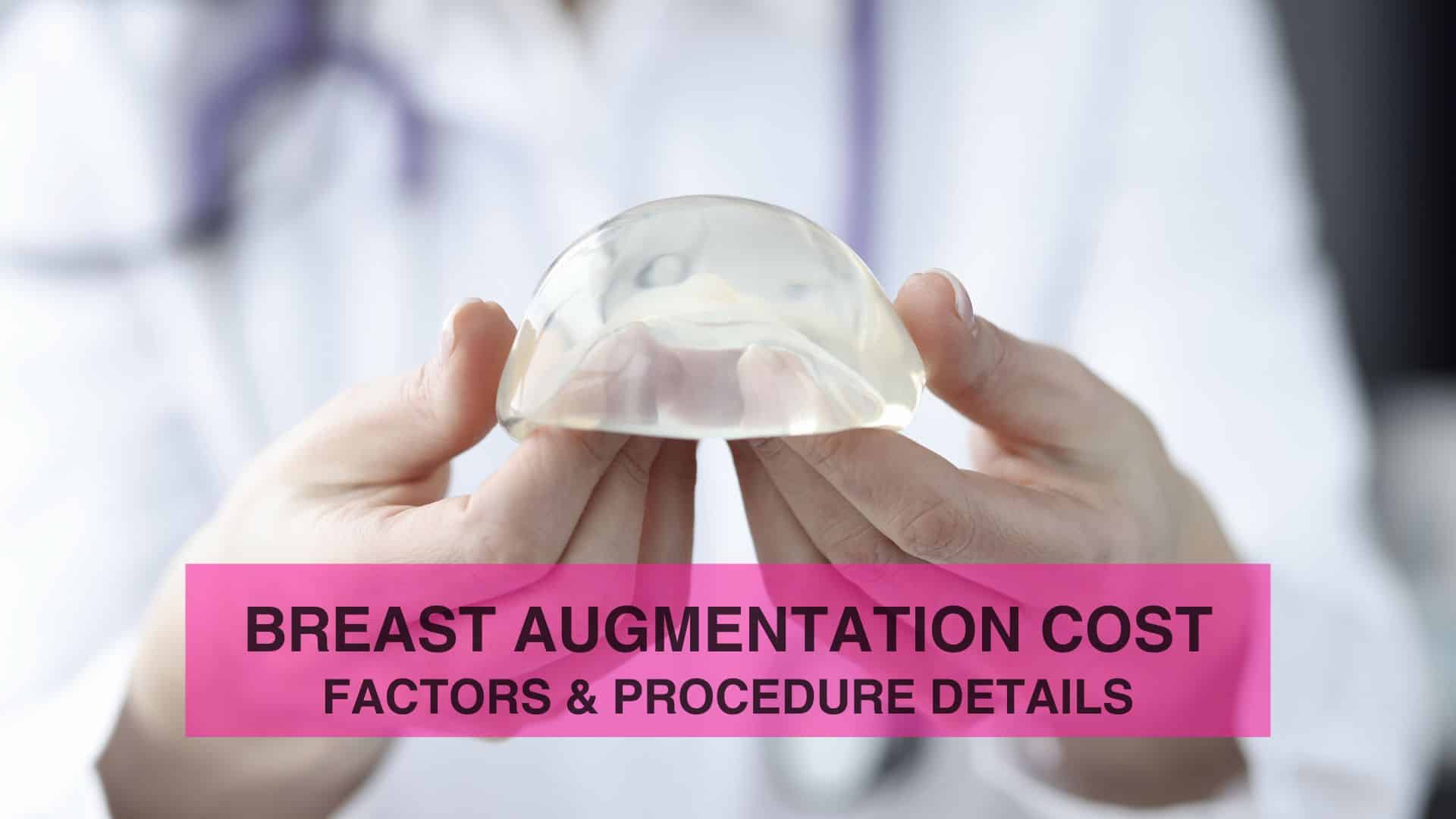
Women frequently choose the breast augmentation procedure to enhance their body shape, improve breast symmetry, and—most importantly—add volume to their breasts. But, breast augmentation cost can be very overwhelming. The procedure can improve confidence and provide a more balanced figure for you. These benefits can then translate into other areas of your life, ideally boosting your self-esteem and helping you live a happier, healthier life overall.
While everyone has a unique goal for their breast augmentation surgery, one thing almost always remains true: Breast augmentation expenses are a major concern. Patients want to know how much they’ll need to have saved, take out in loans, or plan to put on a credit card before they confirm surgery.
In the article below, we’ll take a closer look, as well as some important details about the surgery in general.
What Is Breast Augmentation?
Breast augmentation is a cosmetic surgical procedure designed to enhance the size, shape, and overall appearance of the breasts. It is most commonly performed using silicone or saline implants, though fat transfer may be an option for select patients seeking subtle volume enhancement. Breast augmentation can help restore breast fullness lost after pregnancy or weight loss, improve symmetry, and create a more proportionate figure. The procedure is highly customizable, with implant type, size, placement, and incision method tailored to each patient’s anatomy and aesthetic goals, resulting in natural-looking, long-lasting results.
How Much Does a Breast Augmentation Cost?
The cost of breast augmentation, or a “boob job”, depends on a lot of factors—factors such as a surgeon’s experience, implant type, and the specific details of the procedure. This means that it’s essential to have a breast augmentation consultation before receiving an exact price quote.
One important note here: Patients often find that costs vary significantly, depending on their chosen location, practice, and surgical approach. While you may end up finding someone in your area who charges surprisingly low surgeon’s fees etc., be wary of any price quote that seems too good to be true. You only want an experienced, board certified plastic surgeon to perform this breast augmentation surgery, and that usually means a higher price—but a safer procedure and a better outcome.
For an accurate assessment, discuss your goals and expectations with your breast augmentation surgeon at a consultation appointment.
Breast Augmentation Pricing Factors
The overall cost of breast augmentation varies based on several important factors.
Plastic Surgeon Specifics
A surgeon’s background will almost certainly influence the cost. That is, a board-certified plastic surgeon with advanced training and specialization will usually charge more.
Location often impacts price, too, as practices in metropolitan areas or regions with higher costs of living tend to have higher procedure rates. Lastly, a surgeon’s reputation, years in practice, and specialty areas all contribute to their fee structure.
Surgery Specifics
The extent and details of breast augmentation surgery also impact pricing. The procedure’s complexity, including any additional surgeries or enhancements, can add to the final cost. It’s not uncommon for some patients to opt for a combined procedure, for example, such as an augmentation with breast lift. This naturally requires additional surgical expertise and increases the total expense.
Breast Implant Details
The type and style of breast implants selected have a substantial effect on the cost of surgery too.
Silicone implants are often more expensive than saline breast implants due to the materials and manufacturing processes involved. Within silicone implants, patients can choose between smooth or textured implants, and round or teardrop implants. Other factors like overall volume, projection, and brand will also influence cost.
How Breast Implant Surgery Is Performed
Step 1: Prep and Anesthesia
Surgeons begin with the administration of anesthesia. This procedure is almost always performed with general anesthesia, which ensures comfort and safety for the patient throughout surgery.
Step 2: Incisions
Your surgeon will need to make small incisions to insert the implants. These incisions may be placed under the breast folds (in the breast crease beneath each breast), around the areolae, or in the armpits. Each type of incision placement has certain benefits.
Step 3: Breast Implant Insertion
Implants can be positioned in one of two ways: subglandular placement (just above the chest muscle) or submuscular placement (beneath the chest muscle). Both types of placement have their merits. It really depends on the patient’s anatomy, goals, and the type of implant chosen.
Step 4: Incision Closure
After inserting and positioning the implants, your surgeon will carefully close each incision. This step often involves dissolvable sutures. Following the closure of the incisions, a compression bra after breast augmentation will help to reduce swelling and ensure good positioning of the breast tissue and implants during recovery.
Recovery and Healing Process
Breast augmentation recovery is a gradual process that varies from patient to patient, but most individuals can expect a manageable and well-guided healing period. In the first few days after surgery, swelling, soreness, and tightness in the chest are common as the body begins to heal. Pain is typically controlled with prescribed or over-the-counter medications, and patients are advised to rest, avoid heavy lifting, and sleep on their back to protect the surgical area.
Over the following weeks, swelling continues to decrease, and the breasts gradually settle into a more natural position. Many patients can return to light daily activities within a few days and resume work within one to two weeks, depending on their job. Strenuous exercise and upper-body workouts are usually restricted for several weeks to allow proper healing. Wearing a supportive surgical or compression bra, attending follow-up appointments, and closely following post-operative instructions are essential for a smooth recovery and long-lasting, natural-looking results.
Breast Augmentation vs. Breast Reduction
Breast augmentation and breast reduction are cosmetic surgical procedures that address very different concerns but share the goal of improving comfort, balance, and confidence. Breast augmentation is designed to increase breast size and enhance shape using silicone or saline implants, or in some cases, fat transfer. It is often chosen by individuals who want fuller breasts, improved symmetry, or restoration of volume lost due to pregnancy, weight loss, or aging.
Breast reduction, on the other hand, focuses on decreasing breast size to relieve physical discomfort and improve proportion. This procedure removes excess breast tissue, fat, and skin to create smaller, lighter, and more balanced breasts. Breast reduction can help alleviate back, neck, and shoulder pain, improve posture, and make physical activity more comfortable. While augmentation adds volume, reduction prioritizes comfort and proportion, with both procedures tailored to each patient’s anatomy and aesthetic goals.
Difference Between a Breast Lift and Breast Augmentation
A breast lift and breast augmentation serve different purposes, though both aim to enhance the appearance of the breasts. A breast lift (mastopexy) is designed to address sagging by raising the breasts to a more youthful position. It involves removing excess skin, tightening the surrounding tissue, and repositioning the nipples, improving firmness and shape without significantly increasing breast size.
A breast augmentation, on the other hand, focuses on increasing breast volume and fullness. This procedure uses silicone or saline implants—or, in select cases, fat transfer—to enhance breast size, improve symmetry, and restore lost volume. While augmentation can improve the contour of the breasts, it does not correct moderate to severe sagging. For patients experiencing both volume loss and drooping, combining a breast lift with augmentation may provide the most comprehensive and natural-looking results.
FAQs: Breast Augmentation Surgery
How much does fat transfer breast augmentation cost?
Any plastic surgery will involve paying the surgeon’s fee, anesthesia fees, surgical facility fees, and other expenses. Because these vary based on where you live and what cosmetic surgeon you see, it is impossible to estimate the total cost without meeting in-person with your chosen surgeon first.
How long do breast implants last?
Most patients eventually need to get their silicone breast implants replaced after their initial cosmetic procedures. Still, many implants will last for at least ten years before replacement is necessary. Fat grafting is different. These results are permanent, but aging may reduce the effectiveness of your results over time, in which case many plastic surgeons recommend a revision after a few years.
Will health insurance pay for saline or silicone breast implants?
Those who require breast augmentations (silicone implants or saline implants) due to a mastectomy or lumpectomy may be able to seek coverage through health insurance plans. Sometimes, insurance will cover part of or the total cost of surgery in these situations. For most other procedures (with aesthetics as the goal), insurance does not provide coverage.
Do plastic surgeons take credit cards?
Most plastic surgeons will accept major credit cards as payment for breast surgery and other plastic surgeries.
Are breast augmentation scars permanent or noticeable?
While breast augmentation does leave some scarring, these marks are typically small and well-hidden by careful incision placement. Over time, most scars fade and become much less visible, especially if you follow your surgeon’s aftercare advice.
The degree to which scars are noticeable depends on your skin type, how your body heals, and the expertise of your surgeon. In most cases, patients find their scars become faint and easy to overlook within a year or two after surgery.
How much does Breast Augmentation Cost?
The average cost of breast augmentation in the United States typically ranges from mid to high five figure range. This price varies based on the surgeon’s experience, geographic location, implant type, and facility fees.
Breast augmentation pricing often includes:
- Surgeon’s fee
- Anesthesia fees
- Surgical facility or operating room costs
- Breast implants (saline or silicone)
- Post-operative garments and medications
Book a Consultation Appointment
Ready to schedule a breast augmentation consultation? Dr. Dahlia Rice is an experienced breast augmentation surgeon performing breast implant surgery as well as other breast surgeries and body contouring procedures at her Chicago practice.
Please have a look at our breast augmentation before and after pictures to get a clearer idea of what this procedure can accomplish. To learn more about the procedure, costs such as facility fees and more to make an informed decision. Schedule your consultation with Dr. Rice today, please contact our Chicago office.