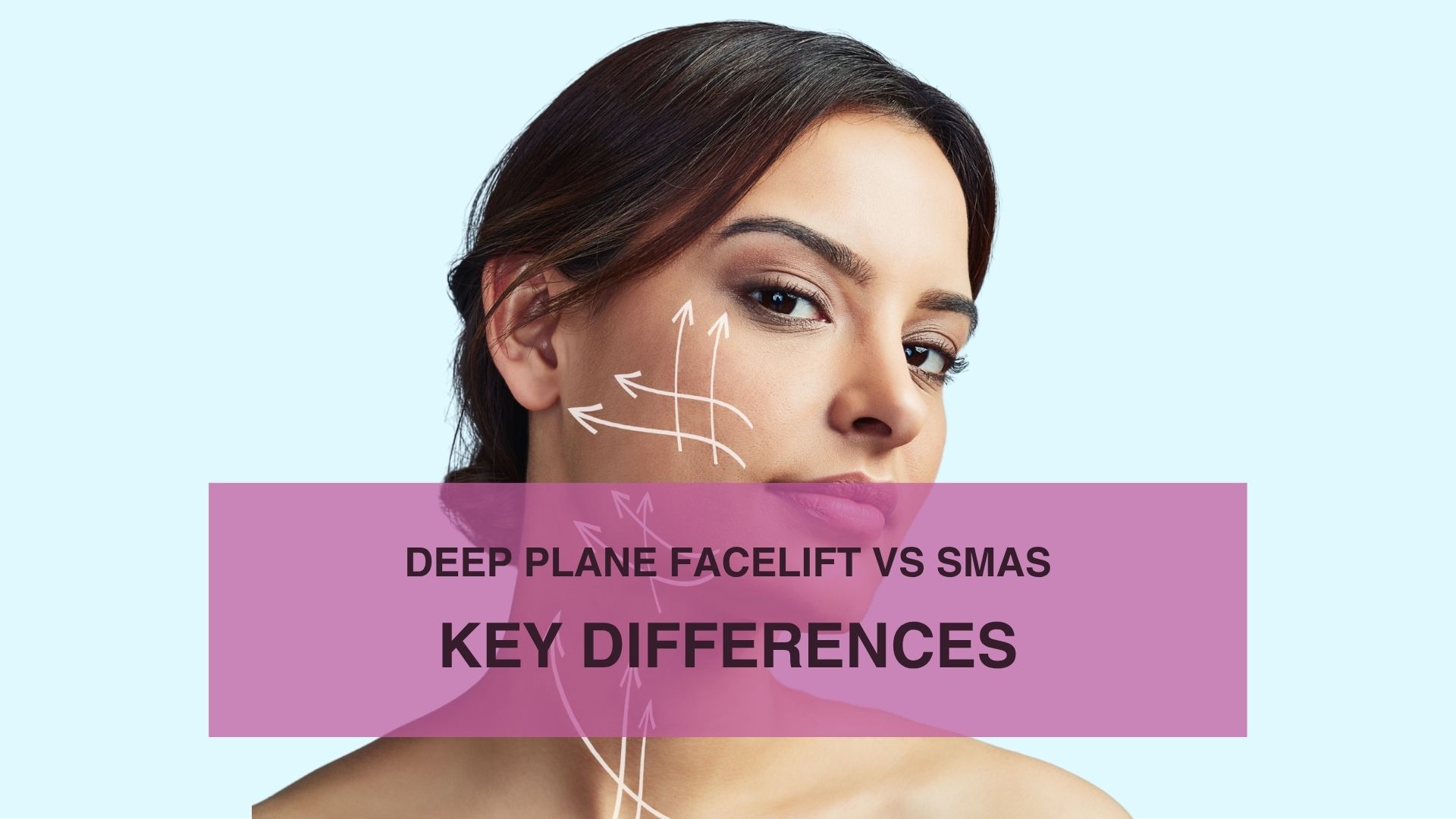
When patients research deep plane vs SMAS facelift or Deep Plane Facelift vs SMAS, the main question is usually simple: which option actually gives the most natural and lasting result? Both procedures are designed to improve sagging skin, refine facial contours, and support overall facial rejuvenation, but they don’t work the same way under the surface. Working with Dahlia Rice, M.D. board-certified facial plastic surgeon in Chicago, helps ensure the right approach is selected based on your facial anatomy and long-term goals.
The difference comes down to how each technique interacts with your facial anatomy. A deep plane facelift and a smas facelift both aim to restore a more youthful look, but they target different layers of the facial tissues, which directly affects results, recovery, and longevity.
What Is a Deep Plane Facelift?

A deep plane facelift is often considered one of the most advanced options in facial plastic surgery. Instead of focusing only on the surface, it works deeper to reposition the structures responsible for visible aging.
How the deep plane technique works
The deep plane technique focuses on releasing key support points, including the facial retaining ligaments, so the surgeon can move the deeper tissues more freely. This is where it differs from a traditional facelift, which tends to work more on the surface.
Rather than pulling the skin tight, the deep plane approach lifts the facial muscles, fat, and connective tissue together. That’s what helps maintain natural movement and avoids a “tight” or artificial look.
What areas are lifted in a deep plane facelift
A deep plane facelift procedure typically improves several key areas at once:
- Sagging cheeks and midface volume loss
- Deep nasolabial folds
- Jawline definition and early jowls
- Overall facial shape and balance
Because the deep plane facelift lifts the deep fat pads and underlying structures, it provides a more complete comprehensive lift compared to other facelift methods.
Who is a candidate for a deep plane facelift
Patients who are good candidates for a deep plane lift often notice:
- Moderate to advanced skin laxity
- Loss of volume in the midface
- More defined folds or heaviness
That said, in some cases, younger patients with early structural changes may also benefit, especially if they want comprehensive rejuvenation instead of small, isolated improvements.
What Is a SMAS Facelift?
A smas facelift is one of the most established and widely used facelift procedures. It focuses on lifting the superficial muscular aponeurotic system, also called the smas layer, just beneath the skin.
How the SMAS facelift works
The smas facelift technique works by tightening and repositioning the superficial musculoaponeurotic system, which connects the facial muscles to the skin. This layer plays a major role in how the face ages over time.
In a traditional smas facelift, the surgeon adjusts this layer separately from the skin. It allows for noticeable improvement without going as deep as a deep plane facelift technique.
What areas are addressed with SMAS
A smas facelift targets the lower portion of the face, including:
- Jawline and jowls
- Lower cheeks
- Mild to moderate sagging skin
It can improve overall facial structure, but it may not fully address deeper midface concerns compared to deeper techniques.
Who is a candidate for a SMAS facelift
A smas lift is often a good fit for:
- Patients with moderate signs of aging
- Those looking for a less aggressive cosmetic surgery option
- Individuals not ready for a more invasive surgery
For patients with minimal excess skin, this approach can deliver solid improvement without extensive intervention.
SMAS Facelift vs Deep Plane Facelift: What’s the Difference?
When looking at deep plane facelift vs smas, the biggest distinction is how deep each technique works and how much structural change it creates.
Differences in surgical technique
The deep plane facelift technique works beneath the superficial layers, while the smas facelift technique lifts the smas layer without fully releasing deeper attachments.
- Deep plane: lifts everything as one connected unit
- SMAS: lifts layers more independently
That difference alone changes how the face settles after surgery.
Depth of tissue repositioning
A deep plane facelift targets the deeper facial tissues, including fat pads and ligaments. In contrast, a traditional facelift using SMAS focuses more on the superficial muscular layer.
For patients with more advanced aging, the deep plane face lift allows better repositioning of deeper layers, especially in the midface.
Impact on facial muscles and ligaments
Because the deep plane approach releases the facial retaining ligaments, it allows the facial muscles and soft tissue to move more naturally into a lifted position.
With the smas facelift technique, these deeper connections remain intact, which can limit how much lift is achieved in certain areas.
Deep Plane Facelift vs SMAS: Results Comparison
Natural-looking results and facial movement
One of the reasons patients choose a deep plane facelift is the quality of the outcome. Since it repositions deeper structures, it often leads to more natural looking results.
Facial expressions tend to stay intact. The goal isn’t to look different, just more rested.
Longevity of results
A deep plane facelift typically offers longer-lasting results because it works at a structural level.
- Deep plane: longer durability in many cases
- SMAS facelift results: effective, but may soften sooner over time
Still, longevity isn’t identical for everyone. It depends on skin quality, lifestyle habits, and how your body ages.
Before and after expectations
When comparing smas vs deep plane, expectations matter a lot:
- A smas facelift improves the lower face
- A deep plane facelift procedure creates more significant rejuvenation overall
For patients with deeper folds or volume loss, the difference becomes more noticeable.
Deep Plane Facelift vs SMAS: Recovery and Downtime
Recovery timeline for each procedure
Recovery varies depending on the depth of the surgical procedure and the patient’s healing response.
- Deep plane facelift recovery: around 2–3 weeks before social activities
- SMAS facelift: often slightly quicker early recovery
However, this changes when additional procedures are combined or when healing is slower.
Swelling, bruising, and healing process
Both procedures involve swelling and bruising during the first days.
With the deep plane technique, swelling can last a bit longer because it involves deeper structures. Most visible swelling improves within two weeks, but subtle changes can take longer.
When patients can return to normal activities
Most patients return to light daily activities within 10–14 days. More intense activities, like exercise, usually need to wait a few weeks.
Patients with better skin quality or faster healing may move through recovery more quickly, but timelines vary.
Deep Plane Facelift vs SMAS: Pros and Cons
Advantages of deep plane facelift
- More complete comprehensive facial rejuvenation
- Better correction of deep wrinkles and midface aging
- Longer-lasting results
- Improved facial contours and volume repositioning
Advantages of SMAS facelift
- Effective for moderate signs of aging
- Less aggressive compared to vs deep plane approaches
- Shorter early recovery in some cases
- Reliable and well-established among facelift methods
Potential risks and considerations
All plastic surgery procedures involve some level of risk, including swelling, bruising, or temporary numbness.
Because the deep plane facelift works near facial nerves, it requires a skilled facial plastic surgeon. Experience plays a major role in both safety and results.
SMAS vs Deep Plane Facelift Cost Differences
What affects the overall cost
The cost of facelift procedures depends on multiple factors:
- Surgeon experience
- Complexity of the surgical technique
- Facility and anesthesia
- Location of the practice
Working with a board certified plastic surgeon often comes at a higher cost, but also provides more predictability.
Why pricing varies by technique and surgeon
A deep plane facelift is usually more expensive because:
- It takes longer to perform
- It requires advanced training
- It involves more detailed facelift techniques
For patients seeking comprehensive rejuvenation, this often aligns better with long-term expectations.
Which Is Better: Deep Plane Facelift vs SMAS?
Factors that influence the best choice
There isn’t a single answer to deep plane facelift vs smas. The right option depends on how your face is aging and what level of correction you want.
Age, skin laxity, and aesthetic goals
- Mild aging: often suited for a smas lift
- More advanced changes and sagging cheeks: better suited for a deep plane facelift
That said, this can shift if deeper volume loss is present, even in patients who aren’t older.
Importance of surgeon expertise
The outcome of facial plastic surgery depends heavily on the surgeon’s deep understanding of facial anatomy.
An experienced plastic surgeon can evaluate your facial structure and recommend the right approach instead of applying the same method to every patient.
Deep Plane Facelift vs SMAS: How to Choose the Right Procedure

Questions to ask during consultation
During your consultation, it helps to ask:
- Which technique fits my facial tissues and aging pattern?
- What kind of results should I realistically expect?
- How long will my results last based on my case?
These answers often clarify whether a deep plane facelift or smas facelift is more appropriate.
Personalized treatment planning
A personalized approach is key. Some patients benefit from combining treatments or adjusting techniques slightly.
The goal is simple: achieve a youthful appearance that still looks like you, not like someone else.
FAQs: Deep Plane Facelift vs SMAS Facelift
What is the main difference between deep plane facelift vs smas?
The main difference in deep plane facelift vs smas comes down to depth. A deep plane facelift lifts deeper facial tissues and releases ligaments, while a smas facelift works on the superficial muscular aponeurotic system for more moderate lifting.
Does a deep plane facelift last longer than a SMAS facelift?
In many cases, yes. A deep plane facelift procedure often lasts longer because it repositions deeper structures rather than just tightening surface layers. SMAS facelift results can still be effective but may not hold as long in certain areas.
Is a deep plane facelift more invasive than a SMAS facelift?
Yes, a deep plane facelift is generally considered a more invasive surgery. It works beneath multiple layers, but it also provides more noticeable and longer-lasting significant rejuvenation.
Who is a good candidate for a SMAS facelift?
A smas facelift is typically recommended for patients with moderate signs of aging, mild to moderate skin laxity, and those looking for improvement without a more extensive surgical procedure.
Will results look natural after a deep plane facelift?
When performed by a skilled board certified plastic surgeon, a deep plane facelift can deliver very natural looking results. Because it preserves facial expression, the outcome usually looks balanced and not overdone.
Ready to Get Started? Schedule Your Consultation Today
A deep plane facelift can offer a more complete approach to facial rejuvenation by lifting deeper facial structures, not just tightening the skin. This allows for more natural movement, smoother contours, and longer-lasting results, especially in areas like the cheeks and jawline.
Contact DMR Aesthetics in Chicago today to schedule your consultation and learn how this advanced technique can be tailored to your facial anatomy and aesthetic goals.