
Tummy Tuck Chicago
Introducing…
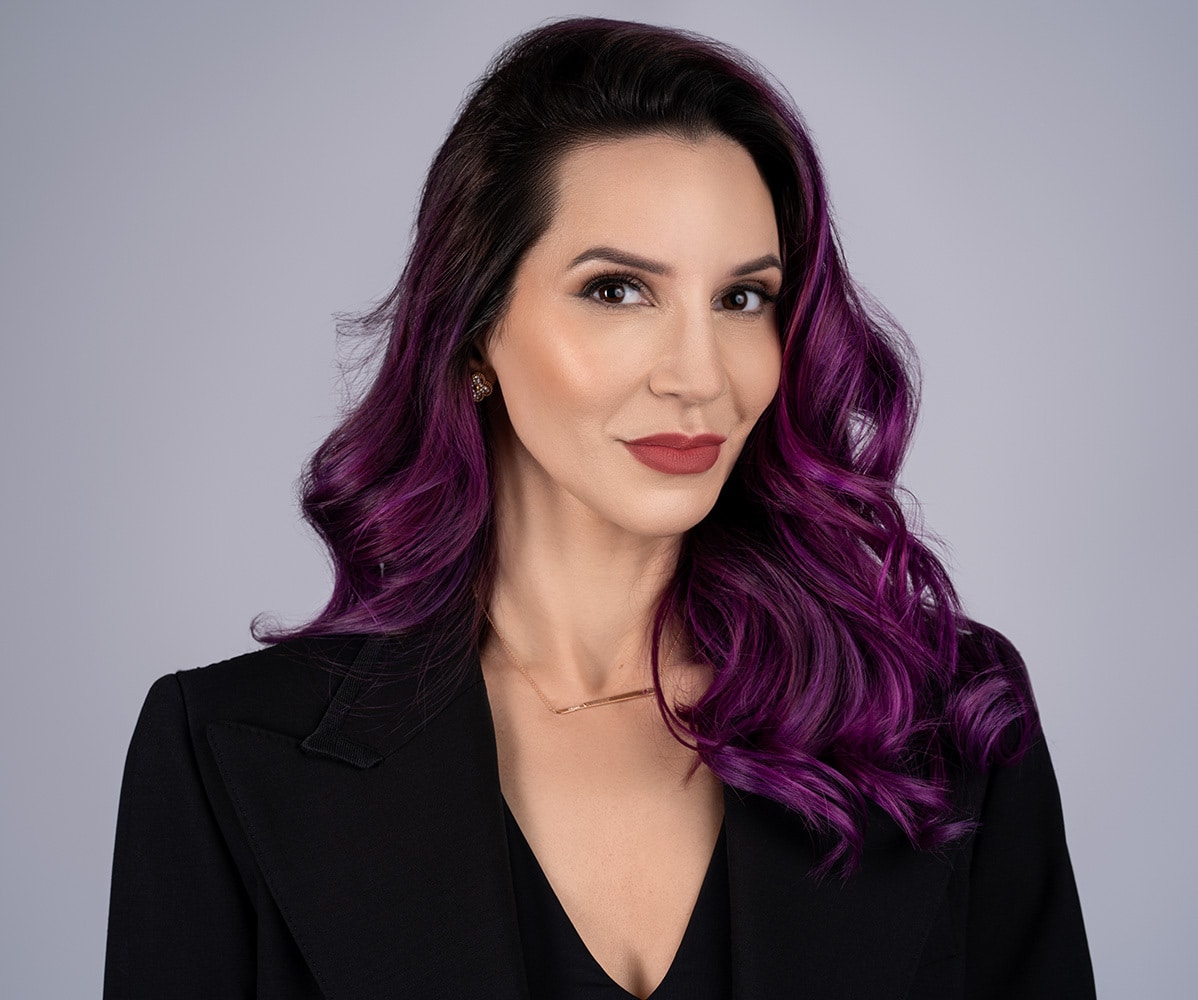
Board Certified Plastic Surgeon – Dr. Dahlia Rice
DMR Aesthetics Chicago, led by Dr. Dahlia Rice, a board-certified female plastic surgeon, is committed to delivering outstanding cosmetic services to individuals in the Chicago region.
Dr. Rice adeptly conducts a variety of surgical and non-surgical procedures, concentrating on her areas of expertise such as breast augmentation, breast lifts, tummy tucks, and liposuction.





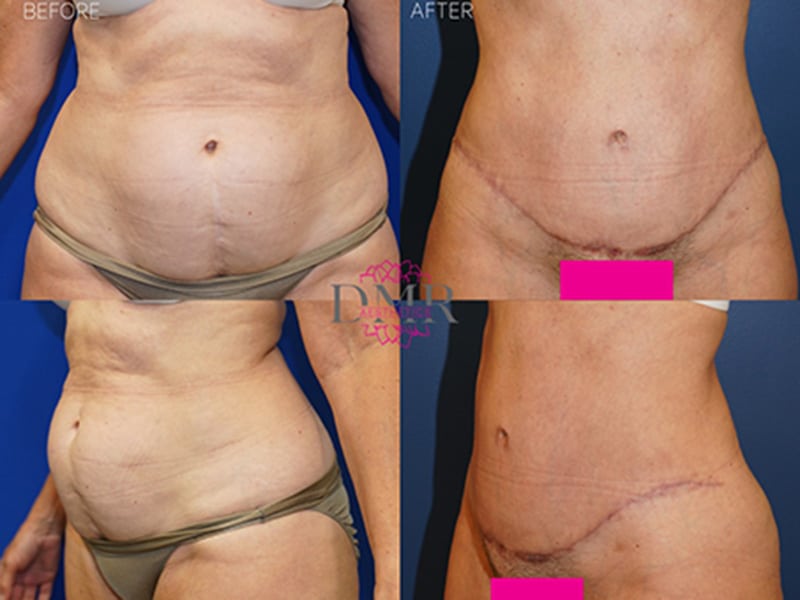
Tummy Tuck Before and After Photos
Tummy Tuck Surgery Candidates
To be an ideal candidate, good overall health is crucial, accompanied by extra skin, less elastic skin in the abdominal wall or severely weakened stomach muscles and stretched excess stomach skin in the middle and lower abdomen. Maintain an ideal body weight with a stable weight, refrain from smoking, or commit to cessation weeks before and after abdominal surgery.
Realistic expectations are essential; while tummy tuck procedure delivers a firmer profile and can tighten muscles, performed under general anesthesia, it involves a hip-to-hip scar. If you’re comfortable with this discreet scar for a sculpted appearance, tummy tuck surgery may be beneficial. Candidates may also consider other body contouring procedures or may be individuals who have undergone breast surgery or bariatric procedures and need skin removal due to remaining skin.
Types of Tummy Tuck Procedures
Mini tummy tuck: Involves removing lower abdominal skin without incisions around the belly button or muscle tightening above it, focusing primarily on the lower abdomen.
Non-surgical tummy tuck: Also referred to as nonsurgical body contouring, this procedure aims to firm and tone the abdominal area without the necessity of conventional surgery.
Full tummy tuck: Entails removing extra skin (and fat) from the pubic bone to the navel. It also involves tightening abdominal muscles above and below the belly button and removes excess fat and fatty tissue for a flatter, firmer appearance.
Corset Trunkplasty: Corset Trunkplasty, or Corset body lift, is tailored for those who’ve shed substantial weight, addressing excess skin, fatty tissuedeep, and weakened connective tissue to streamline the waist and sculpt the figure. Often likened to a body lift or abdominoplasty (tummy tuck).
Plus size tummy tuck: If your BMI is over 30 you fall into the “plus-size” category. A plus-size typically involves a more extensive procedure, removing a greater quantity of fat compared to a traditional approach and often requiring a customized treatment plan.
Reverse tummy tuck: Reverse abdominoplasty targets the upper abdomen, mirroring the traditional abdominoplasty. It removes loose skin above the belly button.
Drainless tummy tuck: Closes the space between skin and muscle with sutures, distributing swelling fluid evenly for less noticeable collection. Note: fluid buildup may still occur post-surgery.
Extended tummy tuck: The incision extends beyond the hips onto the lower back. Liposuction removes fat from the belly, lower back, and flanks throughout the abdominal area.
Fleur-De-Lis Tummy Tuck: The Fleur de Lis removes excess skin from the midsection with both horizontal and vertical incisions, similar to a traditional tummy tuck.
Which Procedure is For Me: Tummy tuck vs Liposuction
Tummy tucks and liposuction serve different goals. Liposuction suits those with excess fat and good skin tone, while a abdominoplasty is preferable for skin laxity.
Recovery involves limited activity for weeks after the outpatient procedure, typically four to six weeks. Your options will be discussed in the initial consultation with Dr. Rice, allowing you to make an informed decision about your care.
Contact female plastic surgeon Dr. Dahlia Rice today at (312) 600-5435 to schedule a consultation at her Chicago, Il office.
Tummy Tuck Recovery
Crucial in the recovery process is adherence to your plastic surgery surgeon’s instructions. Reach out to the doctor’s office promptly for any questions or concerns.
Choose a board certified plastic surgeon for your tummy tuck, ensuring they meet rigorous training and safety standards. Your board certified plastic surgeon can provide recovery guidance and support throughout the healing journey.
Immediately post-surgery, your abdomen will be wrapped in surgical dressing. Often, small tubes around the incision help drain fluid buildup, a common and generally discomfort-free practice that helps reduce risks such as blood clots.
During the initial recovery days, rest at an angle, following instructions to move periodically, minimizing the risk of blood clots.
Ensure assistance for the initial days at home after surgery. Pain medication and limited mobility will prevent self-driving. Expect challenges with bending, lifting, or prolonged standing, making help around the house crucial for a smoother recovery from surgery, especially for patients advised to maintain a stable weight and avoid activities that could lead to poor wound healing.
Your doctor will instruct on incision care and drainage tube management. Antibiotics, anticoagulants, and topical creams are often prescribed. Wear the abdominal support garment for recommended daily duration to alleviate swelling and discomfort. Avoid smoking and alcohol for at least three months post-surgery for optimal recovery.
Seek help with childcare for the initial weeks, as lifting or squatting is discouraged. Driving, cooking, and shopping become manageable after a week or two. Consider taking up to a month off work, especially for physically demanding jobs, to ensure a secure recovery. Avoid exercise during this period to prevent complications.
Tummy Tuck Scars
Dr. Rice aims for a discreet outcome, placing the incision low on the hips. In a traditional abdominoplasty, the incision runs from hip to hip along the bikini line, hidden once healed. A mini abdominoplasty involves a shorter incision.
Scars typically fade and become smooth over time. While not entirely invisible, many are pleased with your tummy tuck results and improved abdominal contour after surgery that helps patients lose weight safely when combined with healthy habits.
During your consultation, Dr. Rice will show you the approximate location and length based on your needs.
Tummy Tuck Cost in Chicago
The average price of abdominoplasty surgery has increased over the years. Fees depend on several factors like the surgeon’s fee, location, experience of the plastic surgeon, if you add other procedures like breast augmentation and you’re responsible for anesthesia and facility costs.
Dr. Rice will discuss the full anticipated price, answer questions, and address concerns regarding abdominoplasty to ensure you’re well-informed. We accept various payment methods and collaborate with reputable lenders for medical financing. Details can be discussed during your initial consultation for a confident and comfortable decision-making process.
Contact female plastic surgeon Dr. Dahlia Rice today at (312) 600-5435 to schedule a consultation at her Chicago, Il office.