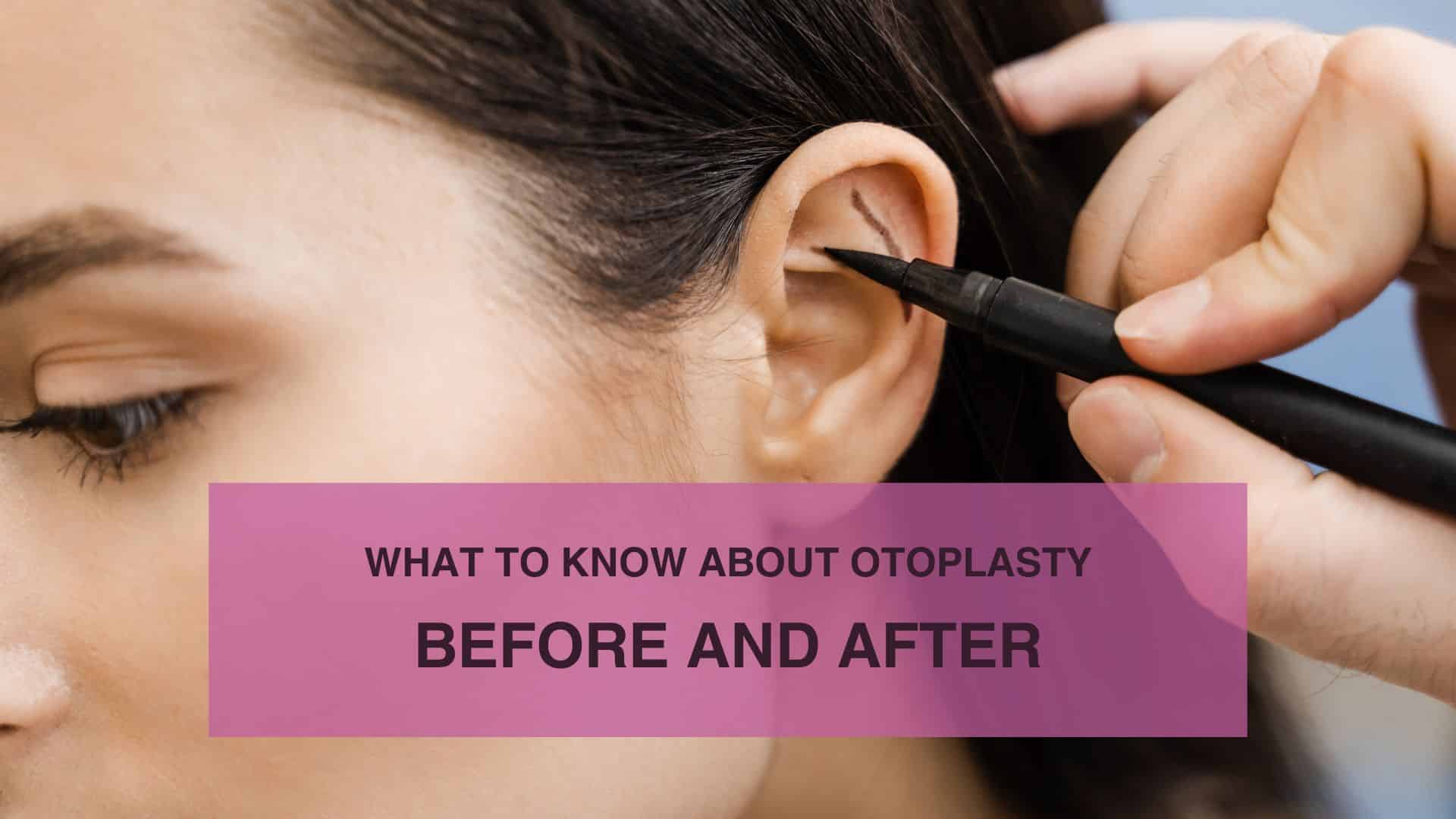
It’s completely natural to care about your appearance and want to look your best. If your ears stick out or you’re unhappy with their shape, you might be considering ear pinning surgery. Otoplasty is a popular procedure for people who feel self-conscious about their ears.
Many young people undergo this surgery to avoid bullying or to feel more confident in social situations. Otoplasty can reshape the ears to make them less protruding (ear pinning) and give you a more balanced and natural look.
If you have questions about otoplasty before and after surgery we always greatly encourage our patients to ask away. The following article may help as well to answer these inquiries and calm any worries you may have about your upcoming surgery.
What to Know About Otoplasty

Otoplasty is a surgical procedure that reshapes the ears to improve their appearance using a variety of otoplasty techniques. The surgery helps with the correction of issues like protruding ears, overly large or small ears, and congenital ear deformities.
During the procedure, a board-certified plastic surgeon like Dr. Dahlia Rice will make incisions behind the ear to access the cartilage. They will then reshape or reposition the ear to create a more symmetrical and natural look. See before and after photos to get an idea of what this surgery can achieve.
The surgery typically takes a few hours, and most people can go home the same day.
Ear surgery is often considered by patients who feel self-conscious about their ears and want a more balanced appearance. Otoplasty ear surgery is a specialized form of ear surgery designed to reposition or reshape the ears using proven techniques.
Many patients seek ear pinning as part of otoplasty ear surgery, while others choose ear pinning alone depending on their goals. A qualified plastic surgeon evaluates whether ear surgery or otoplasty ear surgery is appropriate, ensuring the approach to ear surgery is fully personalized.
Who Can Benefit From Otoplasty?
Those with protruding ears
If your ears stick out further than usual, otoplasty can bring them closer to your head and improve your facial balance. Once you have otoplasty performed, the results can help prevent embarrassment and give you more confidence in your appearance.
Those who’ve experienced a traumatic injury affecting their ear appearance
Traumatic injuries can alter the shape or position of the ears, leading to a misshapen appearance. Otoplasty can help restore a more natural ear shape after an injury, allowing you to feel more comfortable and confident.
Those with extra large ears
Some people may feel unhappy with the size of their ears, especially if they are much larger than average. Otoplasty can reduce the size of the ears by reshaping the cartilage, giving them a more proportionate look.
Those with extra small ears
On the other hand, it’s possible that larger ears are desired. Some people may have ears that are too small for their face. Otoplasty ear surgery can enhance the appearance of small ears by reshaping them to make them appear more proportionate to the rest of the face.
Those who’ve had misshapen ears since birth
Some people are born with ears that have an unusual shape or a deformity. Otoplasty is an excellent option to correct these congenital ear deformities and improve the overall shape and appearance of the ears.
Ear Reduction Options and Personalized Surgical Planning
Ear reduction is an option for patients who feel their ears appear too large or out of balance with their facial features. In some cases, ear reduction may focus on reshaping only the right ear, while other patients may benefit from bilateral otoplasty to improve symmetry on both sides.
When ear reduction is planned, the surgeon carefully evaluates the right ear and overall ear position to align the procedure with the patient’s aesthetic goals. Some patients choose bilateral otoplasty as part of their ear reduction plan, while others only need adjustments to the right ear to meet their aesthetic goals.
Because anatomy and healing differ from person to person, individual results vary, and understanding that individual results are unique is an important part of the consultation process.
What to Know Before and After Otoplasty
Consultation and Setting Expectations
Before undergoing otoplasty, you’ll need to schedule a consultation with a board certified plastic surgeon, like Dr. Dahlia Rice, to discuss your goals and determine if you’re a good candidate for surgery. It’s important to have realistic expectations about the results of the procedure.
Preparing for the Procedure
Before the surgery, your surgeon will give you specific instructions about preparing for the procedure. This may include avoiding certain medications or possibly even fasting for a period of time before the surgery.
What to Expect After Surgery
After surgery, you can expect some swelling and discomfort. Wearing a bandage over your ears for a few days will help protect them during the initial healing phase.
Post-Operative Care and Recovery
After otoplasty surgery, you’ll need to follow your surgeon’s instructions closely to ensure proper healing. You should avoid touching or scratching your ears as this can disrupt the healing process. You’ll also need to keep your ears clean and dry to reduce the risk of infection.
Resuming Normal Activities
While you can return to light activities within a week, you should avoid strenuous exercise for a few weeks. Your ears will gradually heal, and any swelling will subside within a few weeks to months.
Final Results
Otoplasty recovery can take time, but most people are able to enjoy their results once they’ve fully healed. The final shape and appearance of the ears will become more apparent as the swelling goes down.
Conclusion Ear Surgery or Otoplasty Ear Surgery Results
Choosing ear surgery is a personal decision, and ear pinning or otoplasty ear surgery can help address concerns about ear shape, position, or symmetry. Ear surgery is often recommended for patients seeking ear pinning to reduce protrusion or improve balance, and otoplasty ear surgery is commonly performed as an outpatient procedure with a customized approach.
During an otoplasty procedure, a plastic surgeon evaluates each case carefully, as ear pinning techniques and otoplasty ear surgery methods can differ. Some patients require bilateral otoplasty, while others may only need minor ear pinning adjustments.
Because outcomes depend on anatomy and healing, individual results are unique and results may vary. A qualified plastic surgeon explains how otoplasty ear surgery works, what the otoplasty procedure involves, and why planning matters.
Before-and-after photos can help set expectations, but results may vary even when ear pinning or bilateral otoplasty is performed. Overall, ear surgery and otoplasty ear surgery remain reliable plastic surgery options for patients seeking long-term improvement.
Patients considering otoplasty ear surgery should understand that otoplasty ear surgery is a specialized form of plastic surgery, and otoplasty ear surgery goals, otoplasty ear surgery techniques, and otoplasty ear surgery recovery are discussed during consultation.
FAQs: Otoplasty Before and After Surgery
Is otoplasty surgery permanent?
Yes, otoplasty surgery provides long-lasting results. Once the ears are reshaped, they typically stay in their new position permanently. However, as with any surgical procedure, it’s important to follow the aftercare instructions provided by your surgeon to ensure the best results.
How long does it take to recover from otoplasty?
Recovery from otoplasty usually takes about one to two weeks for the initial healing. However, the full recovery process can take up to a few months. During this time, you’ll need to follow your surgeon’s aftercare instructions closely.
Can non-surgical treatments help fix minor botched otoplasty issues?
Yes, for minor imperfections after botched otoplasty, non-surgical treatments may provide improvement without additional surgery. However, the article doesn’t specify which treatments, so a consultation with a facial plastic surgeon is necessary to determine if non-surgical options are suitable for your specific concerns. More significant issues like severe asymmetry or overcorrection typically require revision otoplasty surgery.
How much does otoplasty cost?
Otoplasty cost can vary based on several factors, including the surgeon’s experience, the complexity of the procedure, and the location of the practice. In most cases, otoplasty is considered a cosmetic procedure, so it is not covered by insurance. During a consultation, your plastic surgeon will provide a personalized cost estimate after evaluating your goals and surgical needs.
Request a Consultation Appointment
Considering otoplasty surgery in Chicago?
Although it remains one of the less common plastic surgery procedures, thousands of people pursue ear surgery every year with great success. A Chicago otoplasty procedure can improve your appearance and boost your self confidence at the same time.
Board certified plastic surgeon Dr. Dahlia Rice can help you decide if this procedure is right for you. Call today to request a consultation appointment and learn more about your options.